
Decentralised Group Battery System PLC24

SU NET

The compact supply unit SU NET has been in reliable service for more than a decade. Powered by energy-saving (Power Line Communication) PLC24 technology, the tried-and-tested group battery system (Low Power System, LPS) supplies, performs monitoring and checks all emergency and safety luminaires on a fire compartment basis.

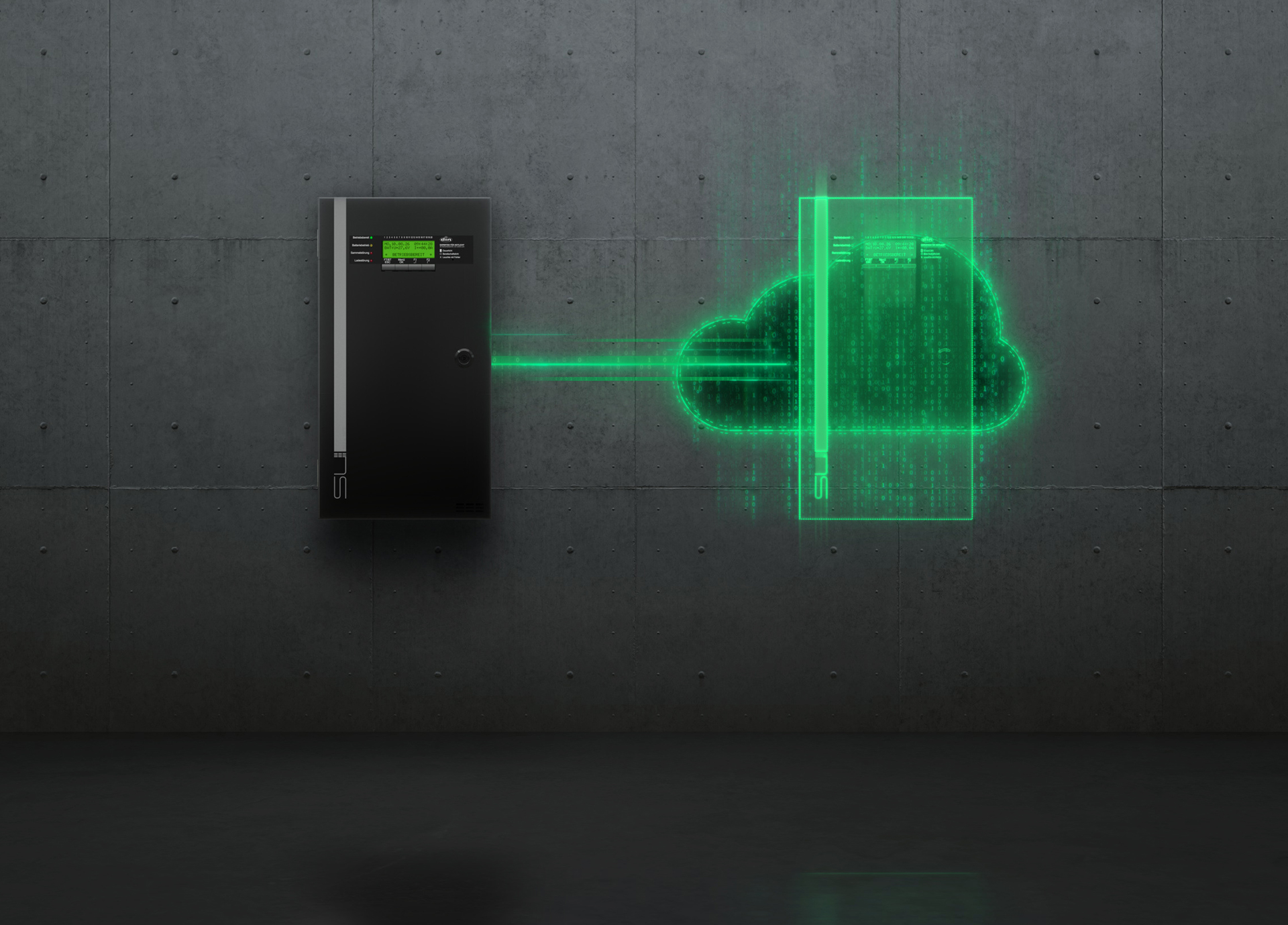
Digitalisation opens up new possibilities for the operation of emergency lighting systems. At the same time, increasing technical and regulatory requirements demand continuous further development. With this new generation, the SU NET is being expanded to include digital functions, making it a central component of the networking emergency lighting world.

The tried-and-tested concept is complemented by telematics functions, which enable automated system tests as well as digital testing and documentation processes. In combination with high-performance battery technologies and the capability for dynamic, adaptive escape route guidance, the SU NET defines the current state of the art in the field of emergency lighting.

Cost-effective operation

The decentralised, fire-compartment-based installation of the SU NET reduces the need for E30 cabling and eliminates the need to house the device in a separate plant room. This significantly reduces installation costs.

The reliable Power Line Communication (PLC24) technology (24 V) is particularly energy-efficient and reduces energy consumption compared to conventional 230 V emergency lighting systems. This reduces ongoing running costs.

The SU NET also offers a high degree of flexibility in the event of building extensions. Additional areas can be easily integrated into the system by installing further devices. The NET functionality allows all devices to be centrally controlled, operated and serviced.

Safety without compromise

If external factors such as fire or water cause a SU NET system to fail, the impact is limited to the affected fire compartment due to the decentralised power supply. Emergency lighting in all other areas of the building remains fully available.

(Power Line Communication) PLC24 technology, based on 24 V low-voltage safety system, enhances electrical safety during installation, operation and service. Long-lasting LED technology ensures high system availability and reduces maintenance requirements. State-of-the-art LiFePO4 batteries are characterised by high thermal stability, a long service life and a high level of safety.

Furthermore, the new generation lays the foundations for the secure digital networking of emergency lighting systems and already meets current and future requirements in the world of digital emergency lighting.

The World of Digital Emergency Lighting

With this new generation, SU NET is becoming a central component of the digital emergency lighting world. Advanced digital system monitoring functions automate testing, documentation and service processes, making it easier to fulfil Operator’s obligations.

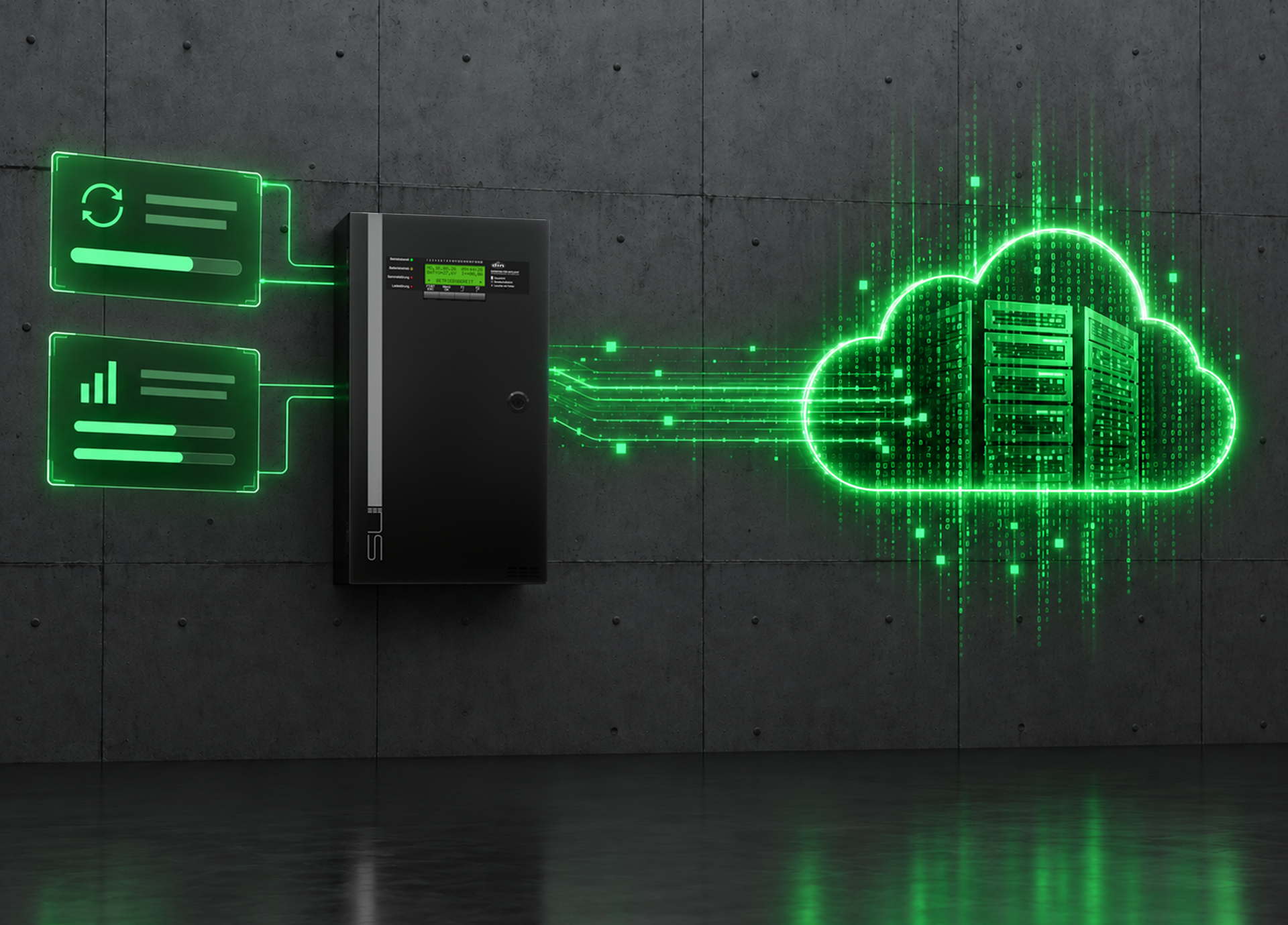
System data is stored centrally in professionally operated data centres. This ensures that relevant information is available at all times, is automatically backed up and can be restored if necessary.

Secure communication between devices, cloud services and users forms the basis of the digital emergency lighting ecosystem. Encryption, access control and continuous security monitoring protect sensitive information. Regular security and firmware updates ensure that SU NET remains up to date in the long term and is ready to meet future requirements.

ADAPTIVE ESCAPE ROUTE GUIDANCE

Buildings, uses and hazardous situations are constantly changing. The latest-generation SU NET combines emergency lighting and dynamic, adaptive escape route guidance in a single system. Thanks to integrated FSU technology, escape routes can be adapted to the situation in the event of an incident, and people can be directed specifically to the safest exit.

In addition to power cuts and fires, other emergency scenarios such as hazardous substance leaks, bomb threats or rampages can also be taken into account. This means that a wide variety of evacuation route concepts can be implemented in accordance with standards using just one system.

More on escape route guidance

A decentralised approach for greater freedom

Decentralised emergency lighting systems enhance safety in buildings by ensuring a continuous supply of power to the emergency lighting in individual sections of a building. Would you like to find out what benefits our decentralised SU devices can offer for your emergency lighting project?

Play video

Digital solutions

The latest SU NET Generation features state-of-the-art telematics functions. These enable the automation of testing and documentation processes and ensure consistently high availability of your emergency lighting systems. This not only reliably relieves you of time-consuming routine tasks, but also, in particular, supports you in fulfilling your Operator’s obligations.

Online exam

Online exam

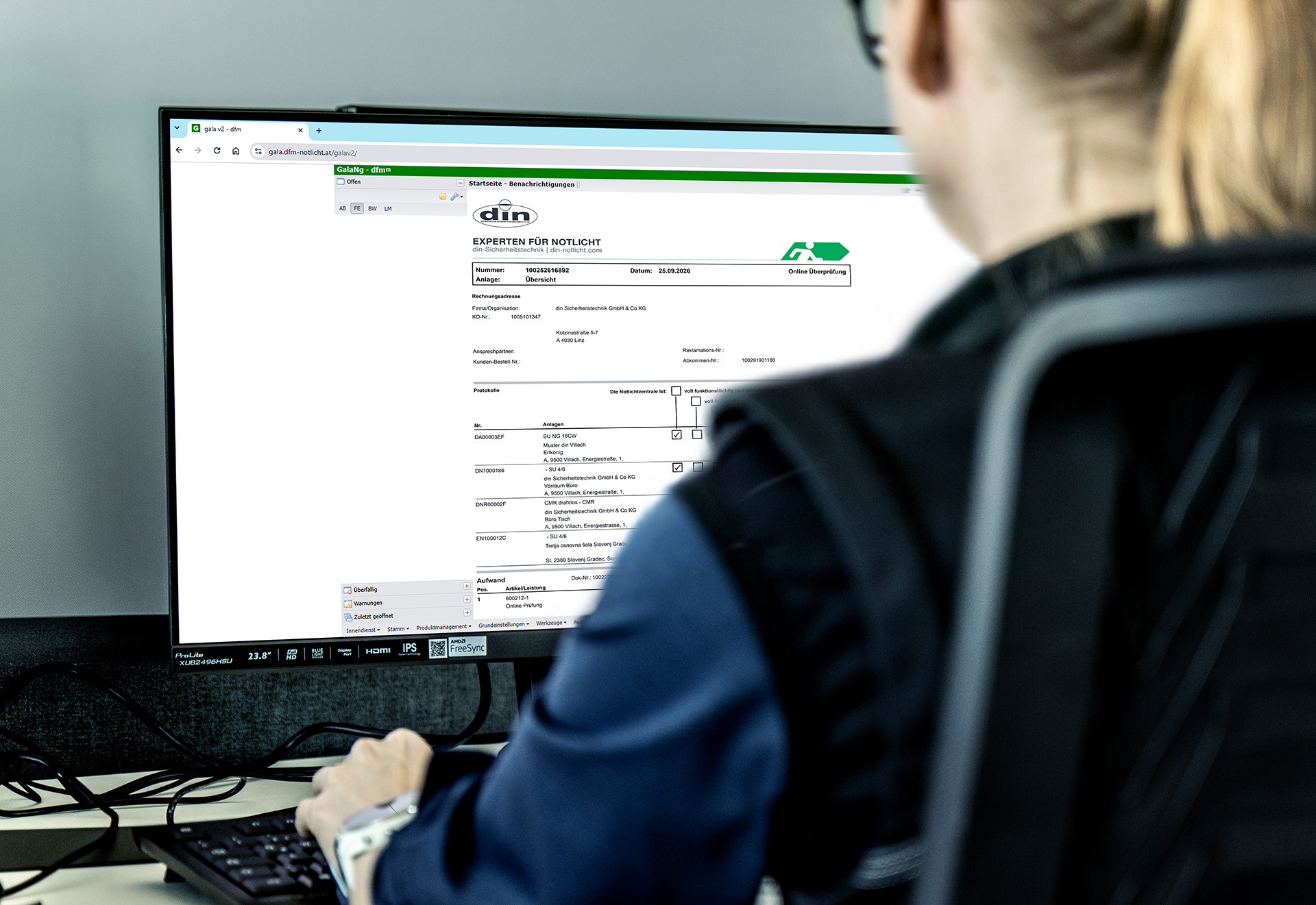
SU NET enables the automated and efficient remote performance of recurring tests on your emergency lighting systems. This helps ensure compliance with Operator obligations and significantly reduces the organisational burden.

Furthermore, remote diagnostics provide valuable insights into the system status and enable a targeted analysis by our experienced service technicians. If any anomalies are detected, these can be assessed immediately and potential solutions agreed upon in consultation with customers. Should additional on-site support or other services be required, all relevant system data is already available. This enables service calls to be prepared in a targeted manner and carried out efficiently, which further increases the device’s availability and reduces potential follow-up costs.

Information & Visualisation

Information & Visualisation

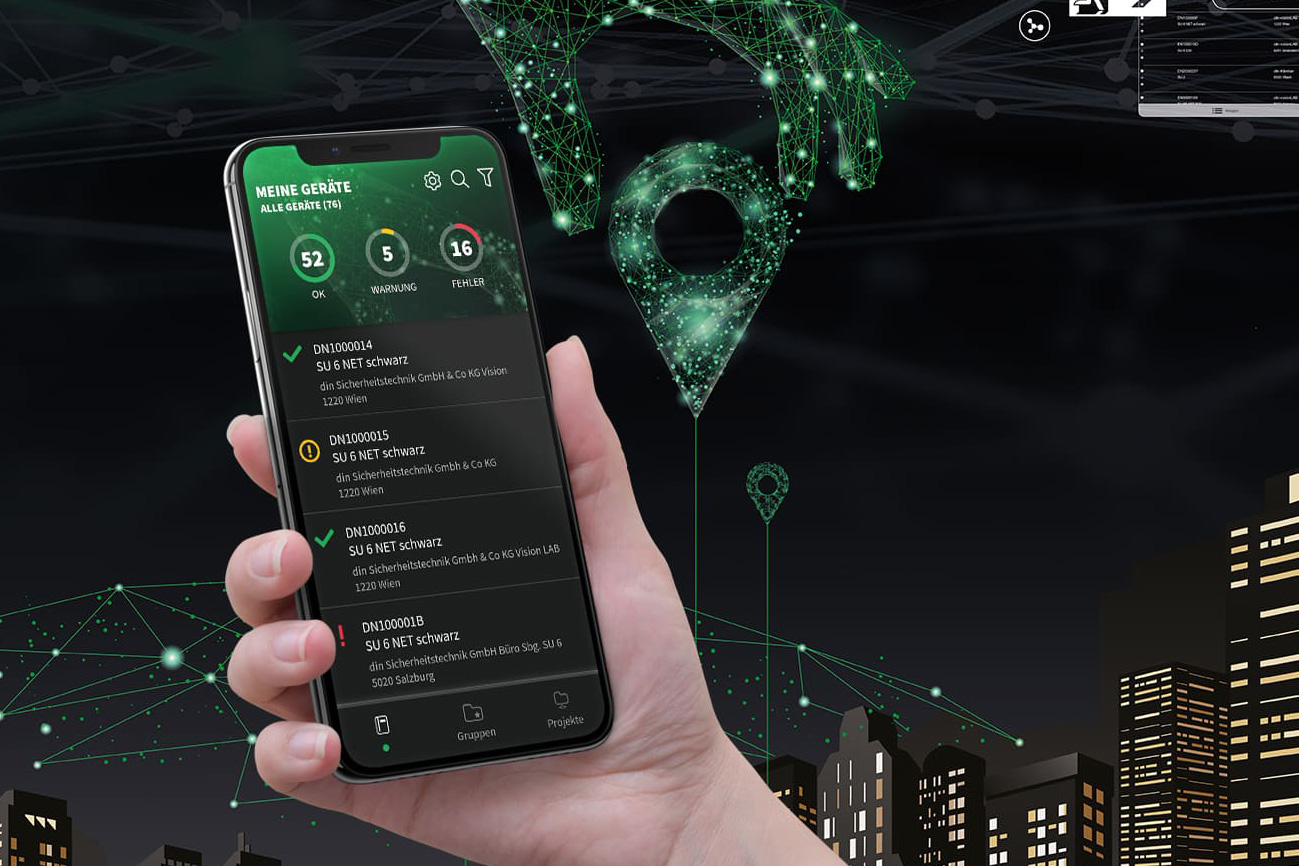
With mySU, you always have a clear overview of your emergency lighting. The cloud-based information and visualisation service shows you the status of your emergency lighting systems at all times. No matter where you are. Any failures that occur are detected immediately and automatically reported via push notifications or email. This ensures that, particularly in buildings without a permanently staffed post, all relevant system information is available and up to date at all times, enabling those responsible to respond effectively to any changes.

Digital log book

Digital log book

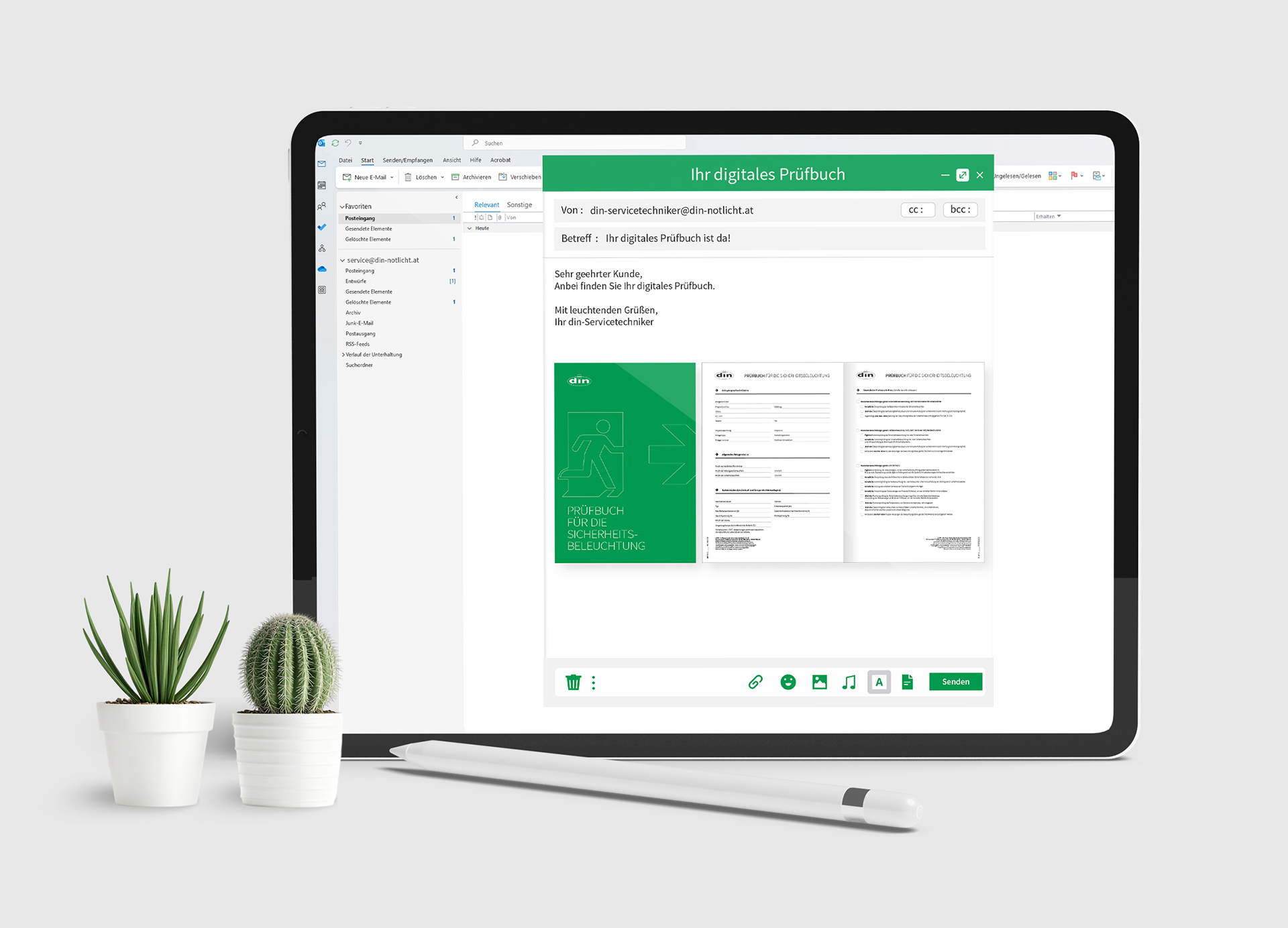
In accordance with EN 62034 and EN 50172, operators of emergency lighting systems are obliged to document tests and incidents relating to emergency lighting systems. SU NET’s digital log book function documents all information relevant to the log book automatically, in accordance with standards and in a tamper-proof manner. This eliminates the need for regular inspection tours of individual devices, as well as the manual recording and documentation of test results. This saves time, reduces the risk of errors and makes it easier to fulfil Operator obligations. Thanks to the cloud connection, all relevant information is available at any time in the event of a claim, and you can provide the necessary evidence of the flawless operation of your emergency lighting systems.

Ongoing updates

Ongoing updates

Regular updates ensure that your SU NET always complies with the latest security standards. Security and firmware updates are delivered via the cloud infrastructure acc. to the highest cyber security standards and transferred directly to the system via the network. This ensures that functions are continuously optimised, protection mechanisms are updated and the system’s resilience is improved in the long term.

This ensures that your emergency lighting system remains up to date at all times, operates reliably during operation and is optimally prepared for future regulatory requirements. The continuous development of cybersecurity measures and system functions meets the requirements of the Cyber Resilience Act (CRA) for a resilient product lifecycle of digital products.

Data backup

Data backup

Unforeseeable events such as water damage, power surges or fires can disrupt the local infrastructure and, in the worst-case scenario, lead to a complete failure of the emergency lighting system. Thanks to ongoing data backups in the cloud, important system data is preserved even in the event of damage.

All relevant configuration data, test reports, operating states and event logs are regularly stored in professionally operated data centres. Thanks to redundant data storage and automatic backup mechanisms, this information is available at all times and can be restored quickly if required.

This simplifies restoration to service following an incident, reduces downtime and ensures that complete documentation is maintained.

Cyber security as the foundation of modern emergency lighting systems

The SU NET was developed with current and future cyber security requirements in mind. Regular security and firmware updates keep the system up to date in the long term and enable it to be adapted to new requirements without the need for costly hardware replacement programmes. As a result, operators benefit from a high level of investment security, reduced cyber risks and an emergency lighting solution that is fit for the future. The cyber security framework:

EN 18031

Protection of networked communication interfaces against unauthorised access and tampering.

IEC 62443-4-2

Developed in accordance with tried-and-tested principles of industrial cybersecurity.

Cyber Resilience Act

Prepared for future European cybersecurity requirements.

NIS2-Support

Supports operators with cybersecurity, compliance and audit requirements.

NET function: a comparison of cabling options

DIN emergency lighting systems connected to one another via a LAN cable can transmit information via the secure Emergency Lighting Network using the NET function. This significantly reduces the cabling effort. A direct comparison highlights the differences in the cabling of a building with and without the NET function.

NET function: Examples of use

Different events each place their own demands on emergency lighting. The NET function enables both the local activation of emergency lighting and safety lighting and the creation of a precisely defined escape route across multiple systems. Find out how the NET function enhances the overall level of safety in a variety of scenarios.

mains failure

Subdistribution board, 1st floor

In a section of the building, there is a mains failure affecting the general lighting. In this area, the emergency lighting and safety lighting must switch on automatically. Using the NET function, the activation of the emergency lighting and safety lighting is also communicated to neighbouring systems in unaffected areas, thereby providing illumination for the entire escape route. The current status is displayed in the porter’s lodge.

Play the simulation
mains failure

Subdistribution board warehouse

In the warehouse, there is a mains failure to the general lighting. As a result, the emergency and safety lighting in this area is automatically activated. Another system is notified via the NET function. The current status is displayed in the porter’s lodge. In this case, it is not necessary to switch on the emergency and safety lighting in the adjacent areas.

Play the simulation
Fire

Fire on the 5th floor

On the 5th floor, a fire is detected by the fire alarm system. The potential-free contact of the fire alarm system, which is wired to the emergency lighting system on the 1st floor, is relayed to the relevant system via the NET function. This activates the emergency and safety lighting throughout the building. The current status is displayed in the concierge area.

Play the simulation
Switch contacts

Night-time operations

In order to use the emergency and safety lighting as an energy-saving night light for the building at dusk, the light sensor for the night light circuit is wired to the nearest emergency lighting system. This information is relayed to all other emergency lighting systems via the NET function.

Play the simulation
Switch contacts

Event operations

An event is taking place in the building. To ensure that the emergency lighting complies with regulatory requirements, the porter on the ground floor activates event mode. Using the NET function, the emergency and safety lighting in the event area switches to continuous lighting mode. All that is required for this is a connection to the nearest emergency lighting system.

Play the simulation

Automatic Phase Test Module

Voltage monitoring devices in subdistribution boards

The required functional testing of voltage monitoring devices, as well as the corresponding documentation, form part of the Operator’s general obligations; however, they involve a considerable time commitment in day-to-day operations. With SU NET, this manual effort is eliminated, as the functional testing of voltage monitoring devices is carried out entirely automatically using the Automatic Phase Test Module (APTM). The test is carried out as part of the function test and runs without restricting ongoing operations. No manual intervention or resetting is required.

At the same time, all test results are automatically documented and, thanks to the unique assignment to individual distribution boards, events and failures can be pinpointed more quickly. This reduces staffing requirements, facilitates troubleshooting and thus increases the availability of the device. Operator obligations are thereby fulfilled with minimal effort.

LiFePO4 – safe energy for every application

With LiFePO4 batteries, we at SU NET are also relying on modern battery technology that combines safety, efficiency and durability, thereby bringing about a lasting improvement in the operation of emergency lighting systems.

Temperature tolerance


Modern LiFePO₄ technology is characterised by high temperature resistance and thermal stability. As a result, the SU NET is also suitable for applications involving higher ambient temperatures, thereby expanding the scope of design options.

Areas which, due to ambient conditions, were previously only of limited suitability for the housing of emergency lighting systems can now be utilised more easily. This provides additional flexibility in the installation, positioning and operation of the device.

Operational safety


LiFePO4 technology is characterised by a high level of intrinsic safety. The batteries used meet the requirements of UN 38.3 for the safe transport and use of lithium batteries.

Additional safety tests, such as the nail test, confirm the high stability of the battery cells even in the event of mechanical damage. Combined with its gas-free operation, this makes LiFePO4 a particularly reliable solution for use in emergency lighting systems.

Integrated Battery-Monitoring-System


The Battery-Monitoring-System (BMS) integrated into the battery continuously monitors cell voltages, temperatures and current. In the event of critical deviations such as overvoltage, undervoltage, overcurrent or unacceptable temperatures, the BMS protects the battery by means of automatic shut-off functions.

In addition, the integrated cell balancing ensures uniformity in charge distribution, thereby contributing to a longer service life and optimal utilisation of the battery capacity. At the same time, the Battery-Monitoring-System automatically tests and performs monitoring of the battery’s temperature and voltage acc. to the requirements of EN 50171.

Dead weight


Thanks to the lithium, iron and phosphate materials used, LiFePO₄ batteries can store large amounts of energy whilst having comparatively low weight. This makes them easier to transport, install and handle, and provides greater flexibility during installation.

Absence of gas


LiFePO4 batteries are considered to be non-gassing. This means that no additional ventilation or air-release measures are required. This reduces the planning workload and allows for greater flexibility during installation.

Free from harmful substances


LiFePO4 batteries contain no toxic heavy metals such as lead or cadmium. This reduces exposure to hazardous substances and simplifies the handling of the batteries throughout their entire life cycle.

The right safety power supply for your application

VRLA (AGM, semi-gel, gel)

LiFePO4

Ambient temperatures*
Suitable for constant ambient temperatures of around 20 °C
Suitable for a temperature range of 10 °C to 35 °C
battery compartment
Planning and design of ventilation and air extraction systems are required
No additional ventilation measures are required
Weight
The increased weight makes transport, handling and installation more difficult.
Thanks to its low weight, it is easy to transport, handle and perform the Installation.
Recycling
Recycling processes that have been in place for decades and achieve a very high recovery rate.
Expanding recycling infrastructure and increasing availability of appropriate take-back and recovery systems.
Kosten
Lower initial costs. Particularly cost-effective where existing infrastructure is in place, such as air-conditioned rooms or those with natural or mechanical ventilation.
Higher initial costs. Potential savings arising from the elimination of ventilation and air-exchange measures, as well as reduced air-conditioning requirements. Additional design benefits resulting from the elimination of a separate battery compartment.

* Higher temperatures reduce the service life, whilst lower temperatures reduce the available capacity.

Find the right system for your needs

SU NG

SU NET

SC NET CMR

Circuits
max. 16
max. 6
2 (test groups)
Maximum quantity of luminaires
320
120
200
Maximum number of systems that can be networked
32
32
32
Cable lengths for the Emergency Lighting Network (between 2 systems)
1.000 m
100 m
100 m
Cable length for circuits
max. 400 m
max. 200 m
up to 40 m (spacing between luminaires)
Communication technology
wired via PLC24
wired via PLC24
wireless (frequency 868 MHz, IPv6 with IPsec encryption)
Total system performance
240W / 480W / 960W
190 W
-
Cable entry
from the top / from below / from the back
from the top
from the top
Cloud connectivity
Software applications
SUweb, mySU, SUcontrol
SUcontrol, mySU
Safety power supplies
VRLA (AGM, semi-gel, gel), LiFePO4
Li-ion (in every luminaire)
Voltage monitoring
bus-compatible 3-phase monitoring
automatic phase test module

E30 certified end-to-end solution

The SU NET ESF30 (Electrical Safety Enclosure) is a complete solution type-approved, with guaranteed minimum maintenance of functionality for 30 minutes in the event of a fire.

The system has been type-tested by an accredited testing body, including the LiFePO₄ battery technology, and thus offers a high level of operational reliability.

As the first manufacturer in Europe, we have tested and certified systems for installation on cross-laminated timber walls. This opens up new possibilities for modern timber construction projects and provides additional planning certainty.

Thanks to the tested E30 designs, the device can also be installed as a free-standing unit or suspended. The device therefore represents a space-saving and cost-effective alternative to a separate electrical plant room.

GENERAL BUILDING REGULATION APPROVAL Z-86.2

The DIBt approval Z-86.2 confirms the suitability of the SU NET ESF30 for use in Germany. The complete system has been tested in combination with Lead-acid batteries and guarantees a minimum of 30 minutes of Maintenance of functionality in the event of a fire. As a result, designers and operators benefit from a standard-compliant, approved solution offering a high level of reliability in both design and operation.

Technical documentation

Have you found the right solution? You can find the technical data here.

YOU HAVE QUESTIONS? CONTACT US!

We look forward to a personal conversation

For specific questions, please use our

Contact form

To the form
Visit us on site at our

Location near you

To our locations
WordPress Cookie Notice by Real Cookie Banner